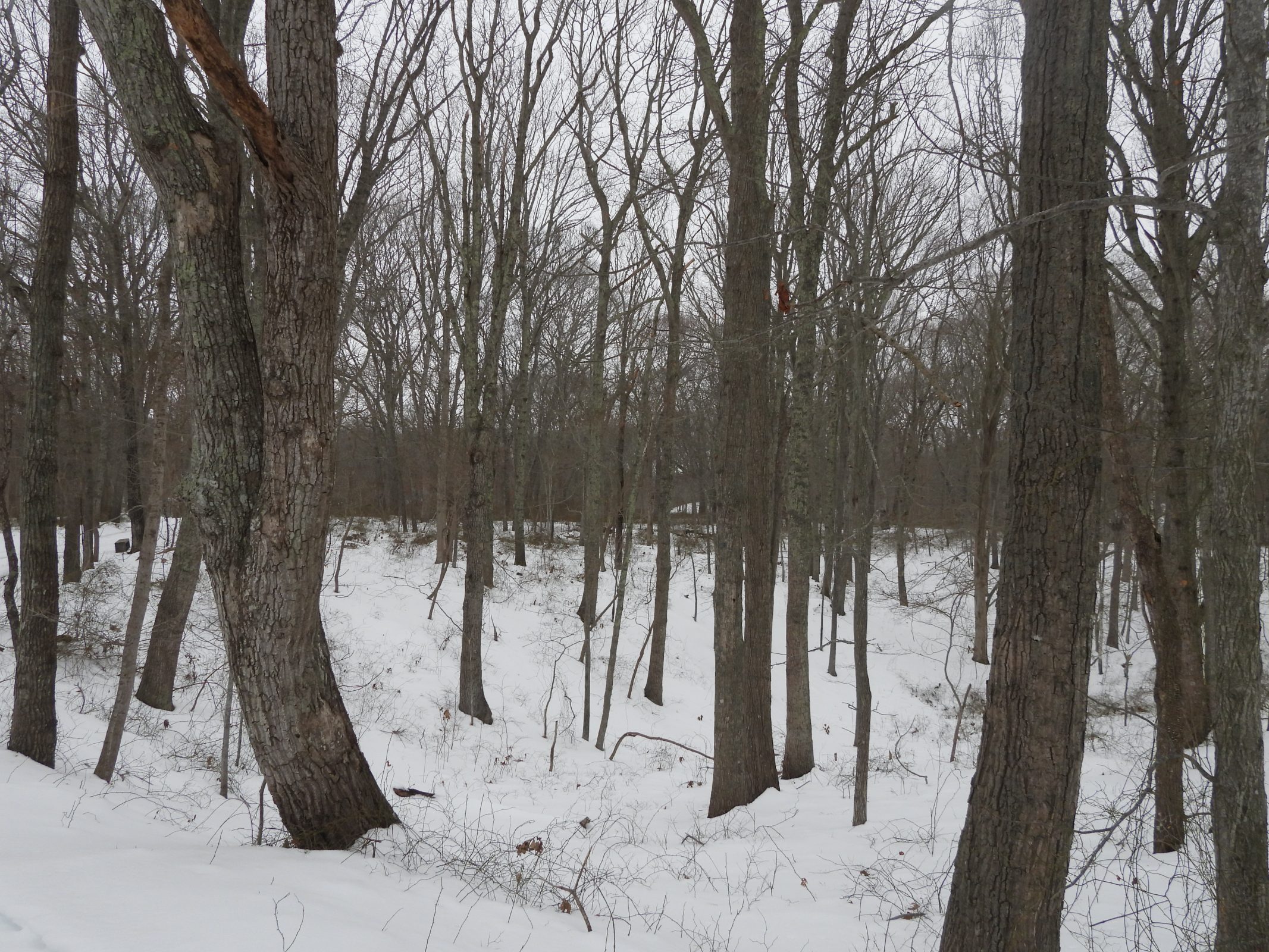
In previous 12 for 12s, I’ve extolled the virtue of hiking after the snow falls. With just an inch or two on the ground, the world takes on a new sheen, glistening in the sunlight, and providing a remarkable contrast for photographers. Dark trees covered by light snow. Colorful birds on canvas-like backgrounds. And with a bit of snow covering everything, you’ve got the closest thing possible to an absolute guarantee that you won’t have to deal with ticks. In January, when we had but one major snowfall, a hike was doable in the following weeks. February, however, has been a different beast. You’ve surely noticed that each weekend, it seems, has seen Long Island hit with at least some snowfall. Just when it seemed like it was all over, and the rain washed away much of the snow, we were hit with the biggest blizzard in years, delivering upwards of two feet of snow across the Island.
Because the world seems slanted towards irony, it was this week that I’d planned to go hiking for this very post. Now, that doesn’t seem feasible. I did go on hiking this month, though, before the blizzard, and also before the rain that preceded it. It was to Mashomack Preserve, on Shelter Island, and attempting this hike gave me a new perspective on hiking in the snow.
Even though it had not snowed heavily for some weeks, there was still an immense buildup of snow across the whole of the preserve. The exact depth varied anywhere from three to as much as eight inches. Despite slightly above freezing temperatures, the snow was still firm, giving way only when the full weight of my body pressed onto it. This made for a decidedly more difficult hike than the sort I was used to, with only one or two inches of snow on the ground. With an inch or two, there is a satisfying crunch underfoot, but that’s all. It’s a delightful auditory experience that doesn’t impede one’s movements. Three inches or more and suddenly, things change. The snow starts to grip your feet, making each step a much greater effort. Exhaustion seeps in swiftly, and a distance that might normally take fifteen minutes to traverse suddenly takes half an hour. Hiking in deep snow is a workout, and if you don’t have a good pair of boots, or even a pair of high-traction hiking shoes, it can also be exceptionally slippery. So, when faced with deep snow there are two possibilities: either the snow is pliable, and thus sucks you in, making each step a Herculean labor, or it’s frozen over and slippery, meaning you’re at risk of falling. Long story short: hiking in these conditions is dangerous. I’m an experienced hiker, and I wasn’t alone, so I wasn’t at risk. But if you’re less experienced, or you’re alone, there’s a serious danger of falling, hurting yourself, and then succumbing to the frigid weather. It’s a good idea regardless of the conditions to carry a whistle, or some other noise-maker that can alert other hikers to your location, just in case. With so much snow on the ground, though, the likelihood of there being other hikers around is slim, if not nonexistent.
The moral of this month’s 12 for 12 is simple: with snow as heavy as we’ve received, stay indoors. While we’ll always encourage Long Islanders to go out into the Pine Barrens year-round, safety is of the utmost importance, especially when the conditions are as intense as they are now.
By Travis Cutter, Long Island Pine Barrens Society